
Pool Fill Water Treatment in Thibodaux, Louisiana
Your pool is filled and topped off from the same line that feeds your house, and around here that line traces back to Bayou Lafourche. Surface water is not the same from month to month, which is why pool chemistry down the bayou so often refuses to sit still. We test the water going in.
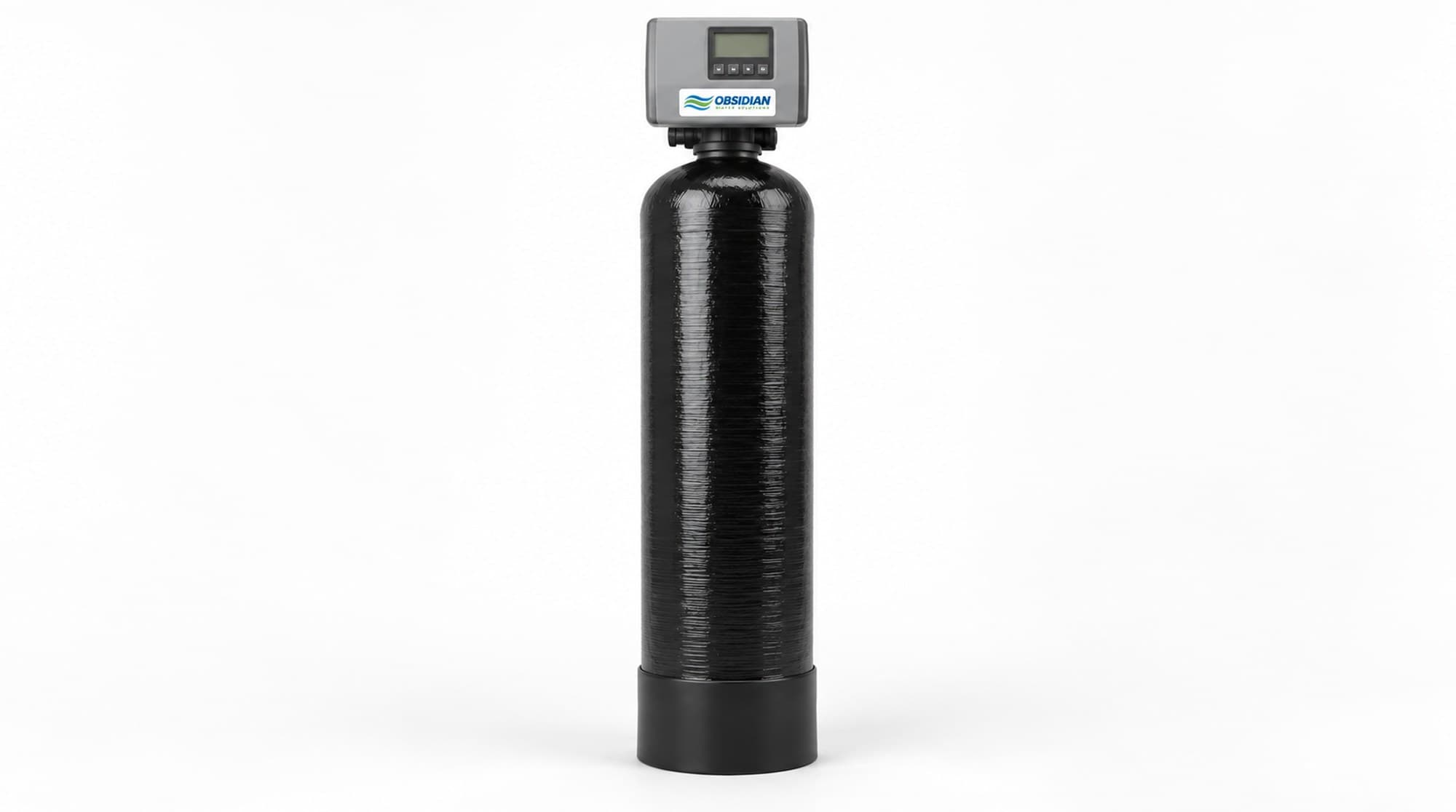
Where your water comes from
Your pool is filled from a bayou, not an aquifer.
Bayou Lafourche is dammed off from the Mississippi and pumped in at Donaldsonville, and it supplies drinking water to more than 300,000 people across four parishes. Thibodaux is unusual even within that: two separate utilities serve one town, the city's own plant and Lafourche Parish Water District No. 1. Which one feeds your house depends on your address.
None of that is a problem for drinking water. It matters for a pool because surface water changes. An aquifer delivers roughly the same water in March and September. A bayou does not.
The drift
Why does my pool chemistry keep drifting?
Because the water you are topping off with is not constant. The USGS has documented that saltwater periodically intrudes into Bayou Lafourche and the Intracoastal Waterway, raising conductance, hardness, and the concentrations of calcium, magnesium, sodium, chloride and sulfate.
A pool concentrates all of it. Water evaporates and minerals stay, so every top-off through a dry spell leaves a little more behind than the one before. That is why a pool here can be balanced in spring and fighting you by late summer without anything about the pool itself having changed.
Scale at the waterline
The white crust on tile is calcium coming out of solution. Mineral-rich top-off water gives you less margin before it starts.
Scale inside the heater
On a heat exchanger, scale behaves like insulation. The Department of Energy puts roughly one-sixteenth of an inch at about a 12% loss of heat transfer efficiency, and it shortens the life of the unit.
Chemistry that will not hold
Balance is a moving target when the water you add keeps changing. Knowing what your fill water is actually carrying is what turns that from guesswork into arithmetic.
Read this before you buy anything
A water softener should not fill your pool.
If harder water is your complaint, a softener is a reasonable answer for the house. It is the wrong water for the pool, and this is the part most people selling water equipment leave out.
The National Plasterers Council advises that pool fill water sit above 200 parts per million of calcium hardness, and that soft water and reverse osmosis water be bypassed when filling. Water that low in calcium pulls it out of the plaster instead. The damage ranges from discolouration to a weakened cement binder and a shorter service life for the finish.
So in a pool home the first thing worth checking is the plumbing, not the equipment: whether the hose bib or autofill sits on the treated side. If it does, it should be moved or bypassed.
What we actually do
We treat the supply, not the pool.
What is included
- A free in-home test of the tap water that fills your pool
- A look at a pool sample beside it, so you can compare the two
- Filtration on the house supply where the test calls for it
- Checking whether your fill line sits on the treated or untreated side of existing equipment
- An itemized written quote before anything is scheduled
What we do not do
- Pool cleaning or weekly pool service
- Selling pool chemicals or balancing your pool
- Removing staining or scale already on the surface
- Resurfacing, repairs or equipment work on the pool itself
Pool builders and pool service companies handle the pool. We handle the water going into it.
Where we work
Serving pool homes across the bayou parishes
Thibodaux, Raceland, Lockport and Larose in Lafourche Parish. Houma, Bayou Cane, Gray, Schriever, Bourg and Chauvin in Terrebonne Parish. Most of this area draws from the same bayou, so the fill water story is broadly the same whichever side of the parish line you are on.
Up around Baton Rouge the water arrives from a deep aquifer instead, and private wells change the picture again. Pool fill water treatment in Baton Rouge
FAQs
Thibodaux pool water questions, answered
Why does my pool chemistry keep drifting?
Because the water filling it is not the same water all year. Thibodaux is supplied from Bayou Lafourche, which is surface water rather than a deep aquifer. The USGS has documented that saltwater periodically intrudes into Bayou Lafourche and the Intracoastal Waterway, raising specific conductance, hardness, and concentrations of calcium, magnesium, sodium, chloride and sulfate. A pool filled from a river gets a moving target in a way a pool filled from an aquifer does not. Testing the tap water alongside the pool is what shows you which way it is moving.
Should I fill my pool through my water softener?
No. The National Plasterers Council advises that pool fill water sit above 200 parts per million of calcium hardness, and that soft water or reverse osmosis water be bypassed when filling. Water low in calcium pulls calcium out of the plaster instead, which can cause discolouration, a weakened cement binder and a shorter service life for the finish. Filling a whole pool through a residential softener will also exhaust the resin bed. If your hose bib or autofill sits on the treated side of a softener, it should be moved or bypassed.
Is the water in Thibodaux hard?
It is harder than Baton Rouge, which draws from a soft deep aquifer, but this is not Texas-grade hard water. Thibodaux is unusual in that two different utilities serve one town, the city system and Lafourche Parish Water District No. 1, so the answer can differ by address. We would rather measure the water at your tap than quote you a parish-wide number, particularly when the figures in circulation mostly come from companies selling softeners.
Does my pool stain from iron here like the wells do up in Livingston?
Usually not, and this is the main difference between the two markets we serve. Private household wells are effectively absent in Lafourche and Terrebonne because the alluvial aquifer carries saltwater, so almost everyone is on the parish supply. Iron staining from well fill water is a Baton Rouge area problem. Down here the story is minerals in treated surface water, scale at the waterline, and chemistry that will not sit still.
Is there something wrong with the water?
No. This is about minerals and plaster, not safety. The utilities serving this area treat and report on their water under state and federal rules. Meeting a drinking water standard and being the ideal water to fill a swimming pool are two different questions, and the second one is simply not something a water system is designed around.
Do you service pools or sell chemicals?
No. We do not clean pools, balance them, sell chemicals or remove staining that is already on the surface. We work on the water supply that feeds the pool. Your local pool store will test your pool water for free. What usually goes untested is the water going into it.
Find out what is filling your pool
One short visit. We test the tap water that fills your pool, look at a pool sample beside it, and tell you whether the water is your problem. Free, and no obligation to buy.